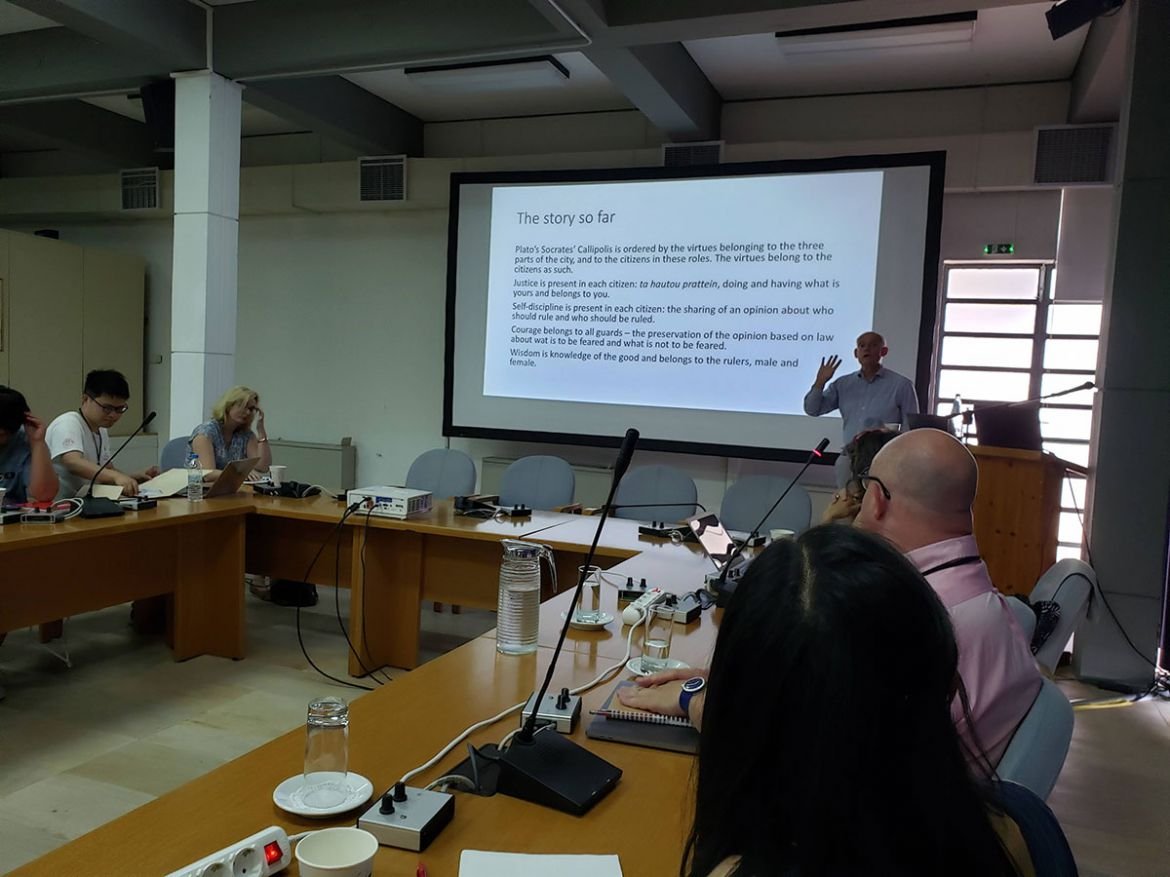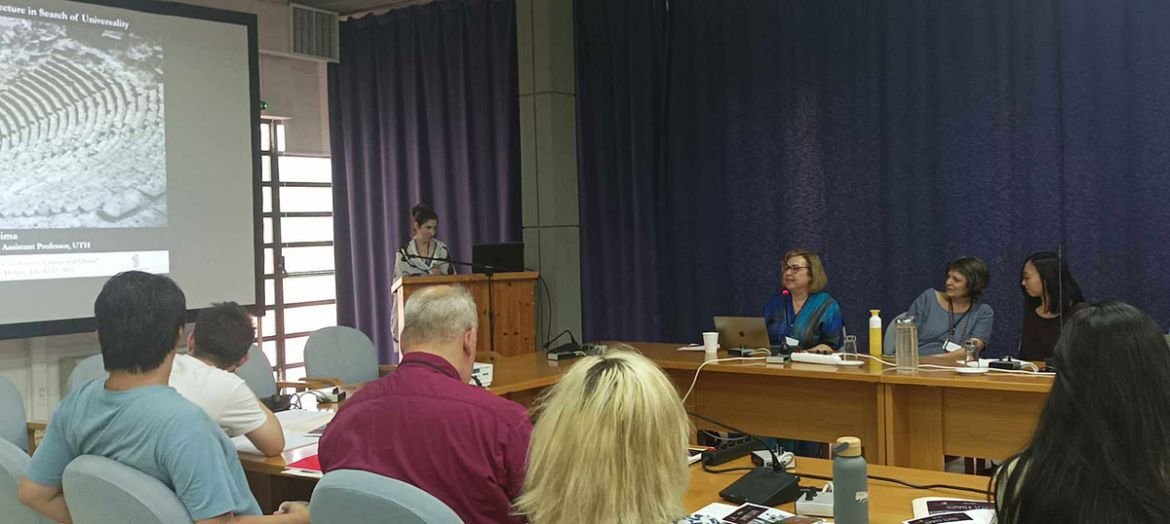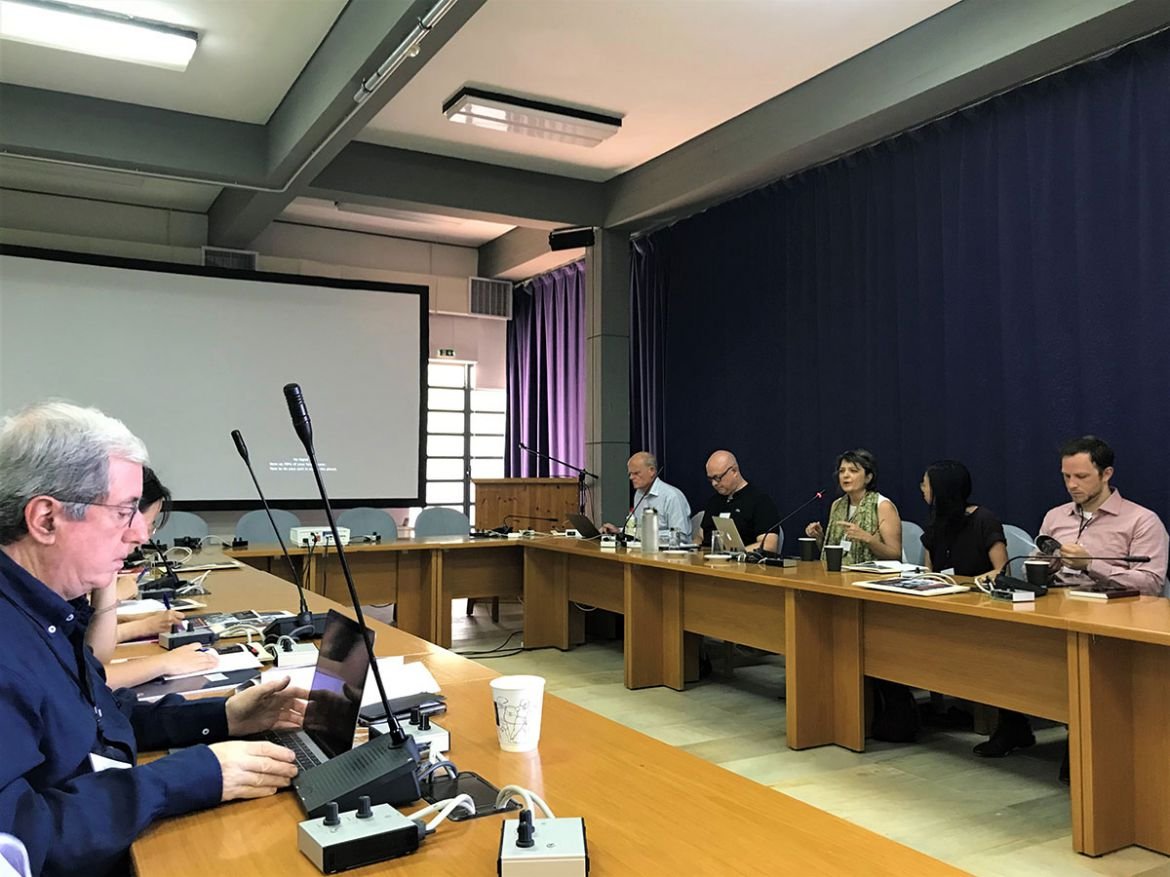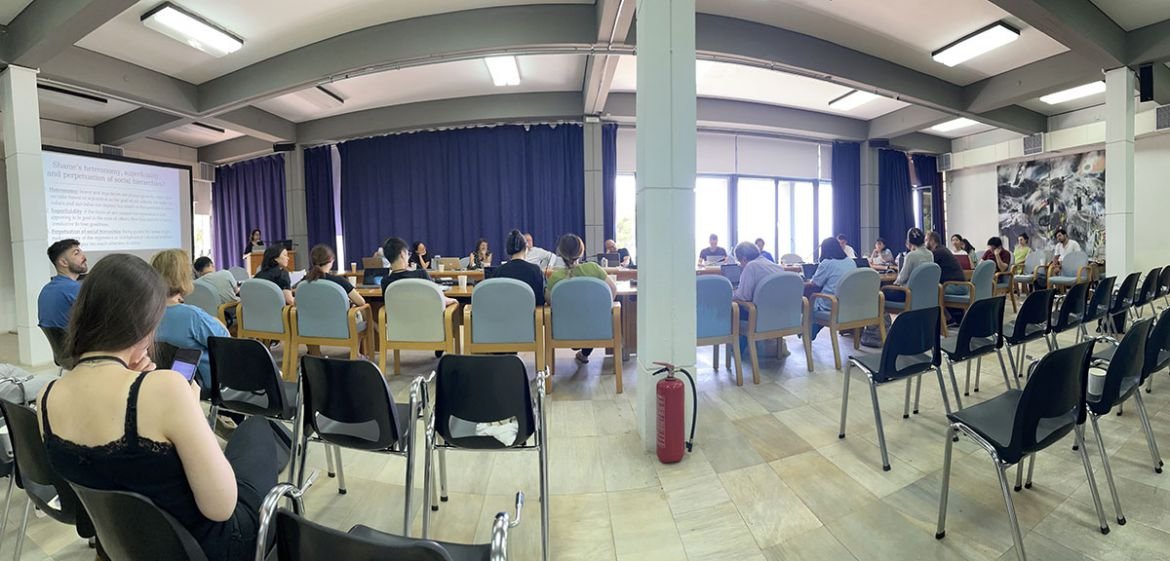
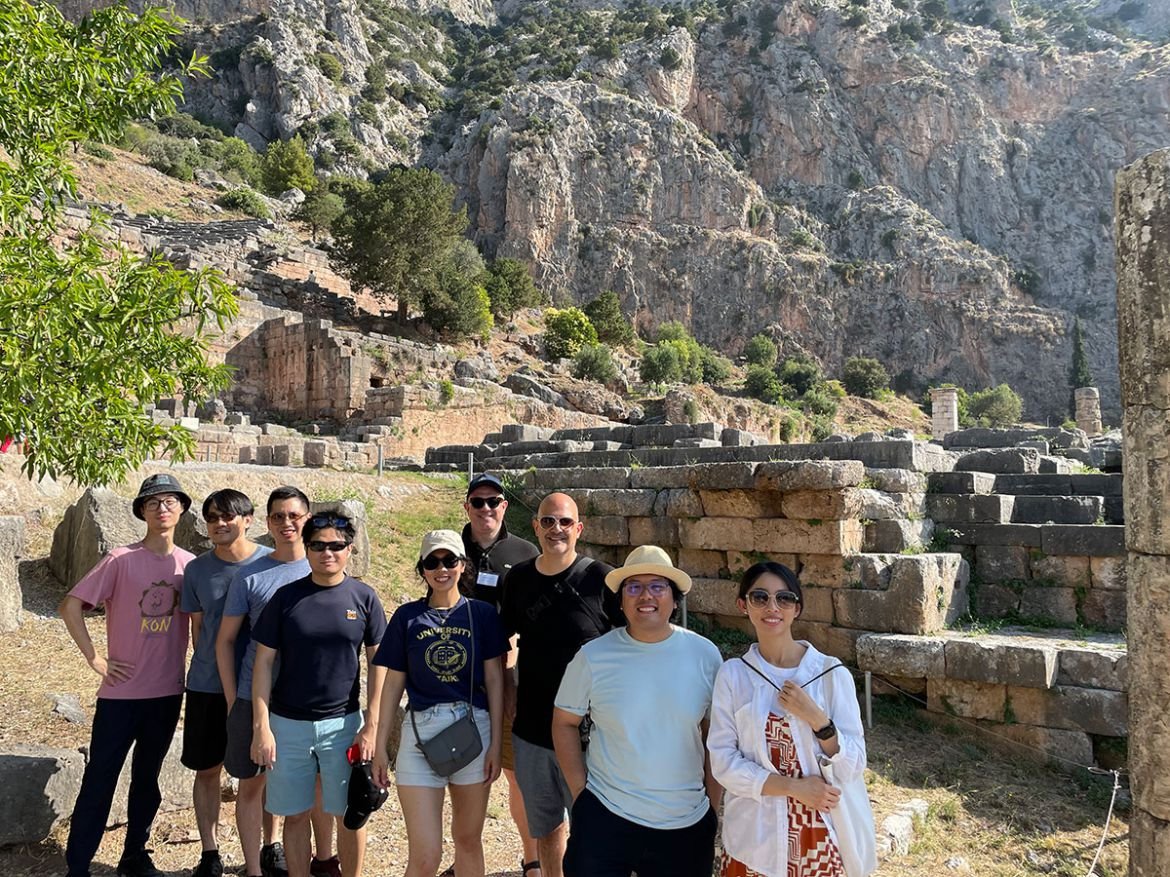
Ancient Greek and Chinese ethics were centrally concerned with questions about how to live one’s life, what is a life worth living, how to become good and flourish, how to deal with one’s emotions, how one should relate to friends and family, and what is a fair and just social, political, and legal order. In answering these questions, both ancient Greek and Confucian philosophers invoked virtues, that is, character traits people aspire to have and praise in others due to their nobility. In this workshop, we propose to examine and compare the virtue ethical approaches developed in these two philosophical traditions. Our goal is to explore the extent to which these authors posed similar questions, what concerns and motivations led them to focus on virtue acquisition and development, how they thought agents can learn and lead others to become virtuous, what is the role of intellect and emotion in the development of virtue, whether different groups of people should exhibit different virtues, and what is the relationship between personal virtue and a just political and legislative regime. This comparative exercise will allow us to fully appreciate the contributions made by these philosophical traditions to the question of how to live well and be good. At the same time, it will allow us to identify, and reflect upon, the affinities and points of divergence in their answers.
Dates: 12-17 July
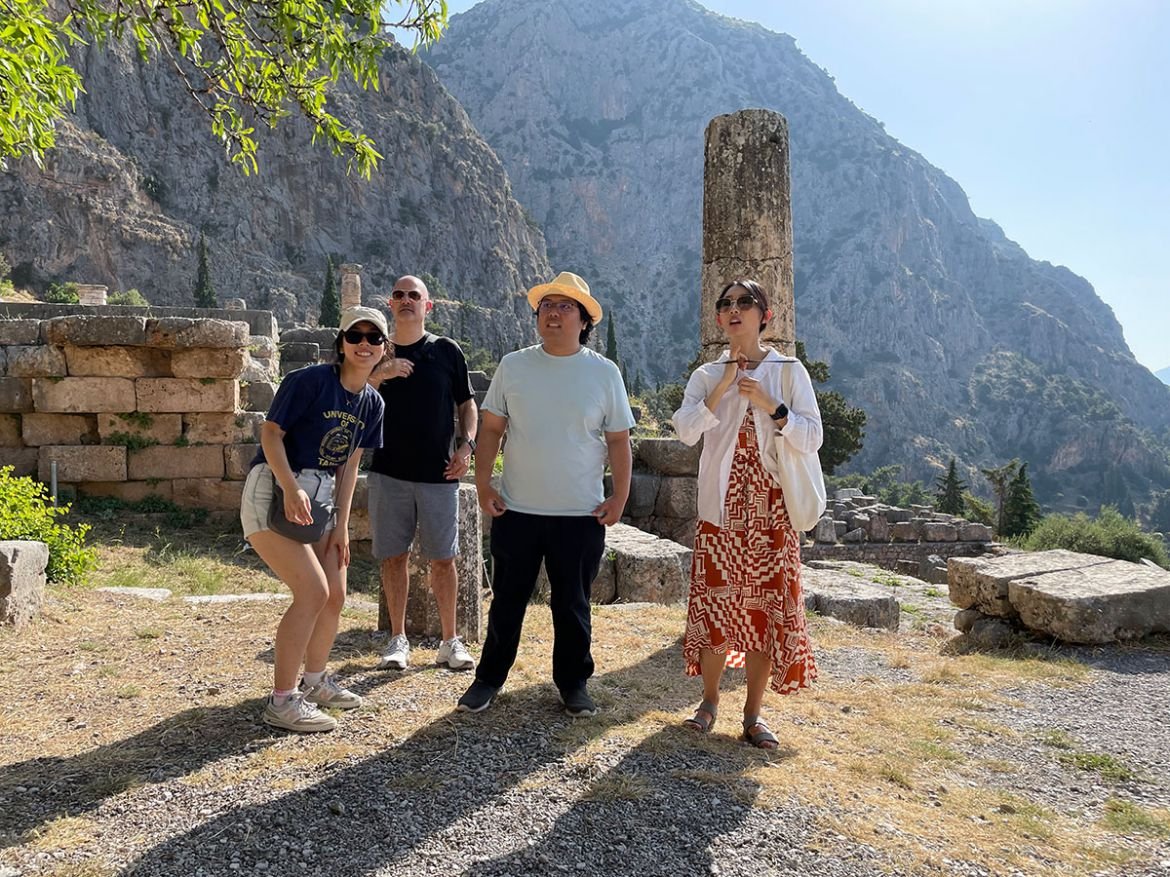
Venue: European Cultural Centre of Delphi https://www.eccd.gr/en/
Info: GreeceChina@fks.uoc.gr
Organising Committee:
Chloe Balla, University of Crete
Patricia Marechal, University of California San Diego
Matt Walker, Singapore-Yale-NUS College
Claudia Yau, University of Houston